
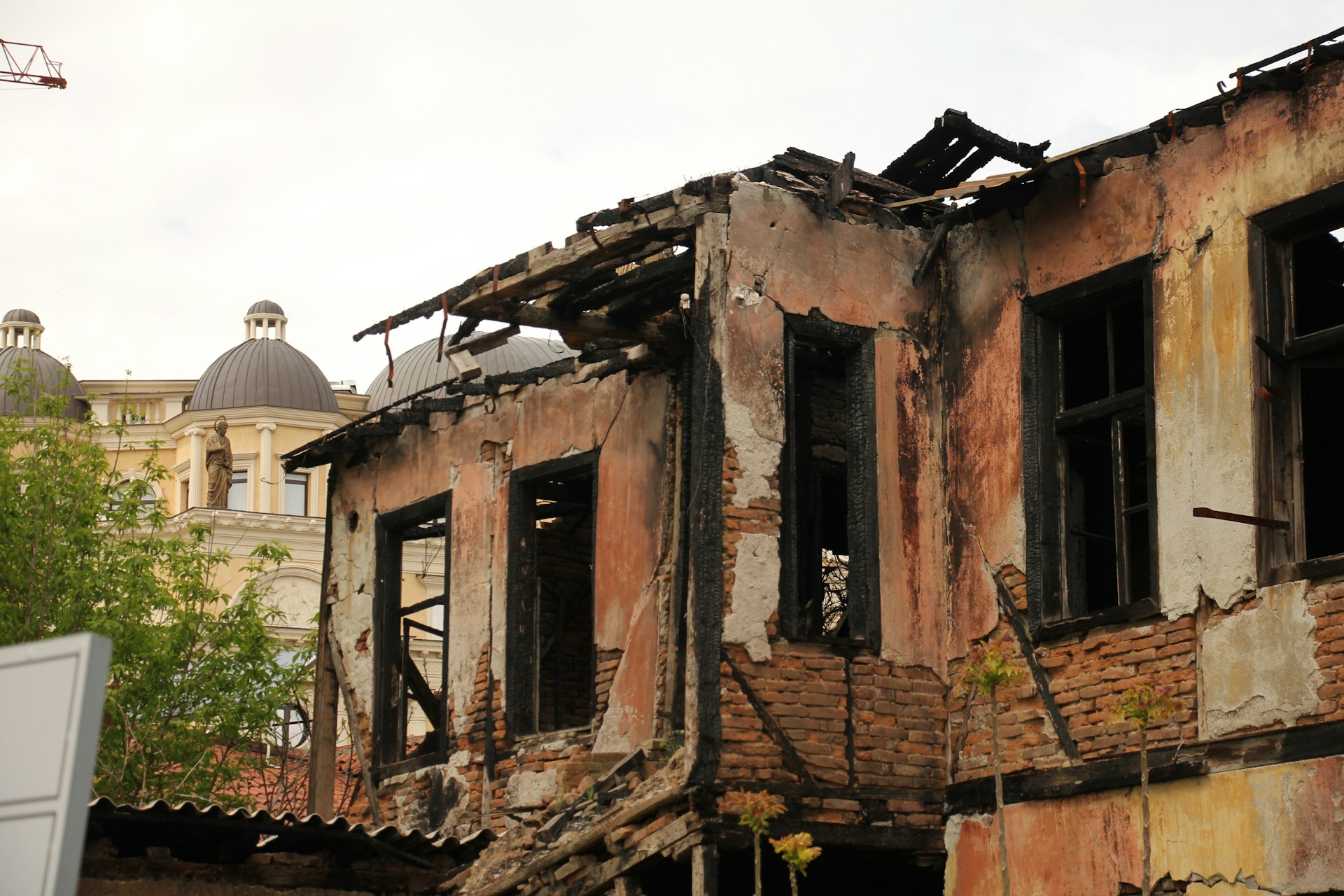
Common Myths About Fire-Damaged Real Estate Debunked
Buying or selling a fire-damaged property often comes with misconceptions that can scare away both homeowners and investors. Many people assume these properties are worthless or too risky to deal with, but in reality, they can present valuable opportunities when approached with the right knowledge. Fast home sale after fire disaster is possible with the help of the right people. Buyers, on the other hand, may discover hidden value in properties that others overlook simply because of lingering myths. To clear the air, let’s examine some of the most common misunderstandings about fire-damaged homes and why they shouldn’t prevent you from exploring this option.
Fire-Damaged Homes Are Impossible to Sell
 One of the biggest myths surrounding fire-damaged real estate is that no one would be interested in buying such a property. While it’s true that traditional buyers might hesitate, there is a strong market for investors, rehabbers, and even individuals looking for discounted housing options. Many buyers specialize in restoring properties and know exactly how to handle damaged structures. For homeowners who need to move on quickly, specialized companies purchase these homes for cash, saving sellers from long waiting periods and costly repairs. Instead of seeing a fire-damaged home as unsellable, think of it as a property with a different audience—people who see the potential for transformation.
Fire Damage Means the Entire Home Is a Total Loss
A common assumption is that once a fire affects a house, the structure has no value left. This isn’t true. In many cases, only certain parts of the home are affected, while the foundation, framework, or other key elements remain intact. Professional inspections can reveal which areas are safe and which need restoration. Sometimes, even homes that appear heavily damaged can be rehabilitated without requiring a complete rebuild from scratch. Fire-damaged homes may lose some immediate market appeal, but they can still hold considerable value depending on the extent of the damage and the type of buyer.
Repairs Always Cost More Than the Home Is Worth
 Another misconception is that fixing a fire-damaged home is always more expensive than its future resale value. While severe cases may require major investment, not every fire-damaged property falls into this category. Some houses only need cosmetic updates like fresh paint, new fixtures, or smoke odor removal. For investors, purchasing such a property at a discounted price can yield a strong return once repairs are complete. Homeowners should remember that buyers weigh costs against potential value. In many cases, fire-damaged homes remain attractive because their discounted purchase price offsets renovation costs.
Insurance Won’t Cover Fire-Damaged Property
Many people wrongly believe that insurance is useless once a home is damaged by fire. In reality, homeowners’ insurance often covers at least part of the repair costs or even the payout for selling a damaged property. Policies differ, but most offer financial relief to help owners recover. Furthermore, buyers looking at fire-damaged homes are aware of these insurance possibilities, which helps reduce the overall risk. Selling with insurance assistance can make the process smoother and give both parties peace of mind that there are safety nets in place.
Fire-damaged homes carry a reputation that doesn’t always match reality. They can sell faster than expected, often retain structural value, may not cost as much to repair as many fear, and are frequently supported by insurance coverage. By clearing away these myths, both sellers and buyers can recognize the true potential in such properties. Instead of dismissing fire-damaged real estate outright, it’s worth considering the opportunities hidden beneath the surface. With the right perspective, what many see as a burden can, in fact, become a worthwhile investment or a stepping stone toward a fresh start.